
Operation
Violations in the PARQ system
The PARQ System detects violations automatically: every parking session is checked against your area's rules, such as maximum parking duration, payment or authorisation. You decide yourself which rule violations are recorded and from when, for example only after a grace period. Detected violations are transmitted by the system via an interface to your service provider for violation processing.
Violations at a glance
You see which vehicles stayed longer than permitted or did not pay, and which of these have already been transmitted to the service provider.
Status of cases
| Entry | |
|---|---|
| Transmitted | |
| Transmitted | |
| Cancelled |
Violations per area · month
| Parking area | Transmitted |
|---|---|
| Station car park | 21 |
| Market car park | 16 |
| City Garage Centre | 13 |
| City Garage basement | 6 |
| P+R North | 4 |
This month
Violations day to day.
With parking control, the system detects rule violations automatically, without anyone having to walk the area and check. The system compares every parking session with your area's rules: whether the maximum parking time was exceeded, payment is missing, or a vehicle is parked without authorisation in a separate zone with its own access. Which of these rule violations are recorded, and from when, is something you decide yourself. The portal collects detected violations with licence plate, area, time period and reason. PARQ does not handle the processing itself: every violation goes automatically via interface to the service provider you work with for this. You keep track in the portal of which cases have been transmitted, and can cancel a case before it is transmitted, for example if an authorisation was missing. This way, control follows your rules, and no one has to walk the car park for it.
You define what counts as a violation
A maximum parking duration exceeded, an exit without payment, a vehicle without authorisation in a separate zone: which of these cases you pursue and which you let pass is a setting, not a technical question.
A grace period can be set so that not every minute becomes a case.
- Maximum parking duration exceeded
- Left without payment
- Without authorisation in a separate zone
Transmission to your service provider
Every recorded violation goes automatically via an interface to the service provider you work with on violation processing. That service provider then handles the processing.
The portal keeps a clear record of which case was transmitted when, even if someone asks weeks later.
Further functions
- Vehicles on the area, live
- Every parking session with entry and parking duration
- Revenue per area and payment source
- Outstanding receivables in view
- Whitelist individually, as a group or by list
- Authorisations for an occasion
- Tariffs per area and time window
- Free parking periods and special rules
- Night, weekend and monthly tickets with a fixed term
- Valid for the areas you define, with period and capacity if desired
- Your own rules for each area
- Utilisation per zone
- Peak times, parking duration and much more
- Raw data export as JSON, XML, CSV, Excel or PDF
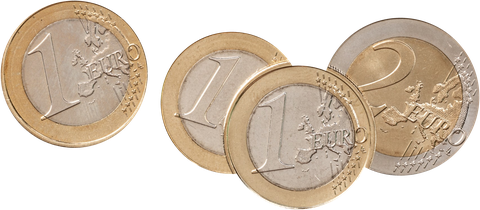
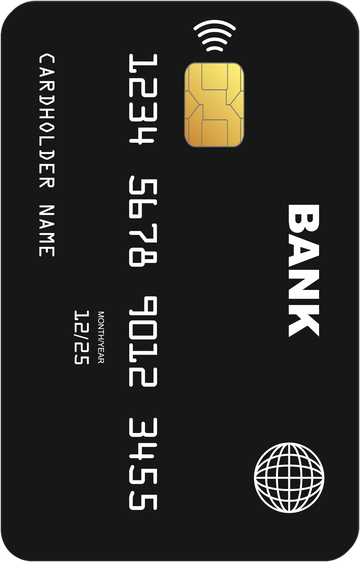
- At the pay station: card, contactless or Apple/Google Pay, and with the PARQ Automat A2 cash too
- Via app or QR code
- Authorisation via QR code and charging receipt
- Your rule for people charging
- At a tablet on site, e.g. at reception
- With a disability card via QR code
- Connecting existing barriers and roller doors instead of replacing them, as far as the controls allow
- Open REST-API, fully documented
- Full logo, small logo and favicon
- Your own colours and your own typeface
- GDPR-compliant
- Encrypted transmission
Your parking system. Your rules.
Ready at a click.
Violations: common questions.
No. The analysis runs on the recorded parking sessions: the system compares every session with the rules for your area and detects overruns and missing payments by itself. Staff on site are not needed for that, and nobody has to put notices on windscreens or walk rounds.
Yes. You decide when an overrun counts as a violation, for example only ten minutes after the permitted parking time has expired. This means short delays don't count and don't become a case. The grace period can be set separately for each area and changed at any time.
That is handled by the service provider you work with for violation processing. PARQ records the violation and transmits it automatically via interface. In the portal, you see which cases have been transmitted, and you can cancel a case beforehand, for example if an authorisation was missing.