
Free flow parking
The entrance stays open, yet every vehicle is captured. Drive in without stopping, park without a ticket, pay according to parking duration.
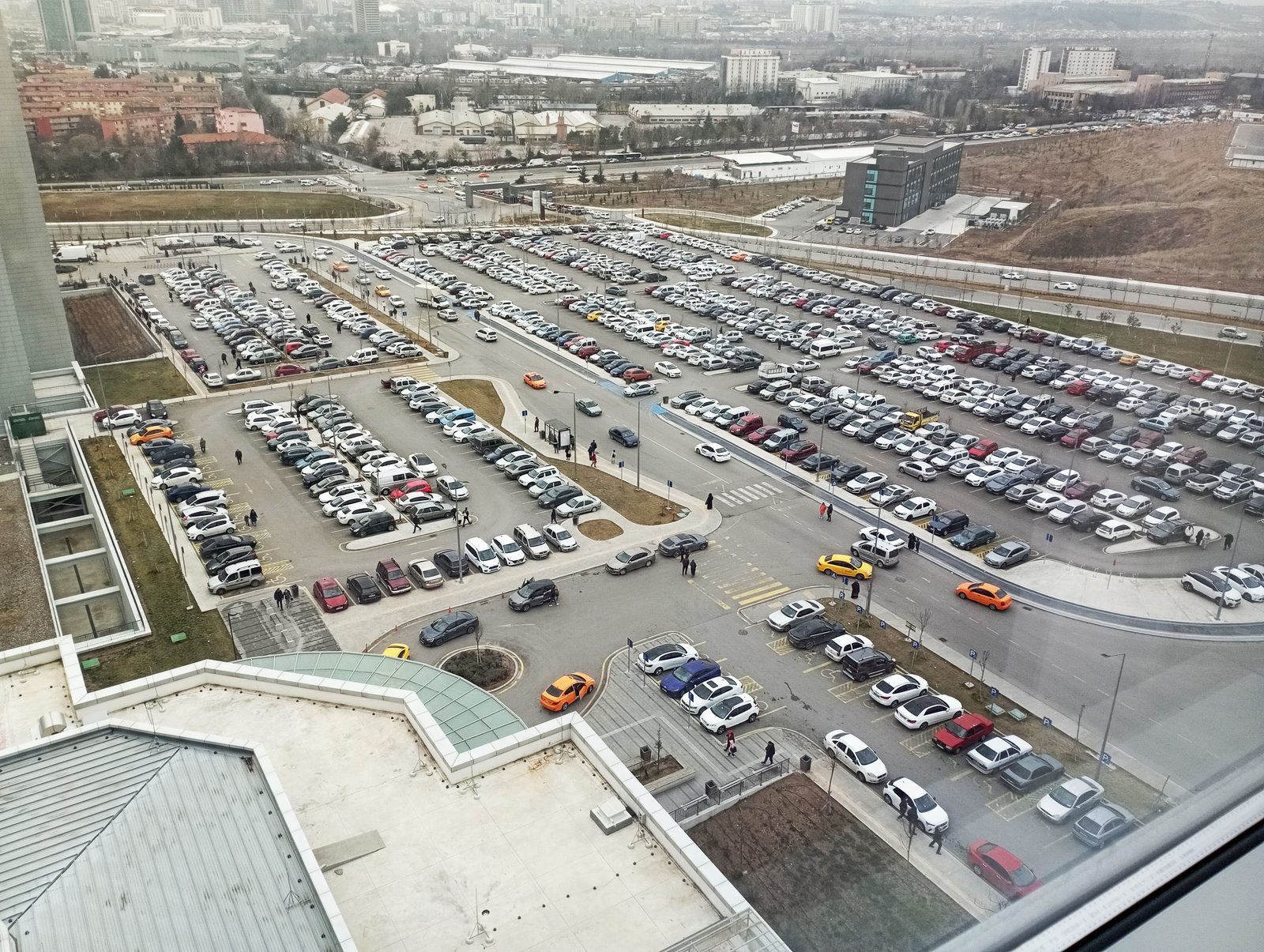
What is free flow parking?
Free flow parking is parking without a barrier and without a ticket. Cameras capture the licence plate on entry and exit, and the parking system calculates the parking duration from this. The entrance stays clear, no one has to stop, and nothing backs up at the entrance during peak times. Other names for this are barrier-free parking, ticketless parking or simply freeflow; technically, licence plate recognition is always behind it. Payment is made via a parking app, by QR code, online afterwards, or at a pay station on request by entering the licence plate, and a free period at the start can be set. Anyone who doesn't pay or stays longer than permitted is recorded as a violation and transmitted to your service provider. Free flow is one option here, not a requirement: the same recognition can also be combined with a barrier, on request only at individual entrances. Which option fits is your decision for each entrance, and you can change it later.
This is how parking works without a barrier.
With a barrier or barrier-free.
The difference does not show on the first day but in day-to-day operation: during maintenance, at peak times and when something does not work.
What needs maintaining?
What happens at peak times?
What happens in the event of a fault?
How much work remains on site?
What data is available?
| With barrier and ticket | Barrier-free by licence plate | |
|---|---|---|
| What needs maintaining? | Mechanism, ticket machine and wear parts | Cameras with no moving parts |
| What happens at peak times? | Queuing at the entrance because everyone stops | Driving through without stopping |
| What happens in the event of a fault? | The entrance is blocked until someone comes | Traffic keeps flowing, and the session is recorded afterwards |
| How much work remains on site? | Ticket refills, faults and queries on site | Hardly anything, everything runs via the portal |
| What data is available? | Only where access is to be strictly limited, for example for quotas or staff spaces: one per entry or exit. As a rule, the entrance stays open. Existing barriers are connected, as far as their controls allow. | Every entry and exit with a timestamp |
When free flow is a good fit.
And what about those who do not pay?
The system detects who has stayed longer than permitted or has not paid. Anyone who exits without paying can pay online afterwards for 48 hours; after that, PARQ records the violation and transmits it automatically via interface to the service provider for violation processing, who takes care of the processing. From when an overstay counts is something you decide yourself via a grace period.
Violations in the PARQ systemThe hardware for it.
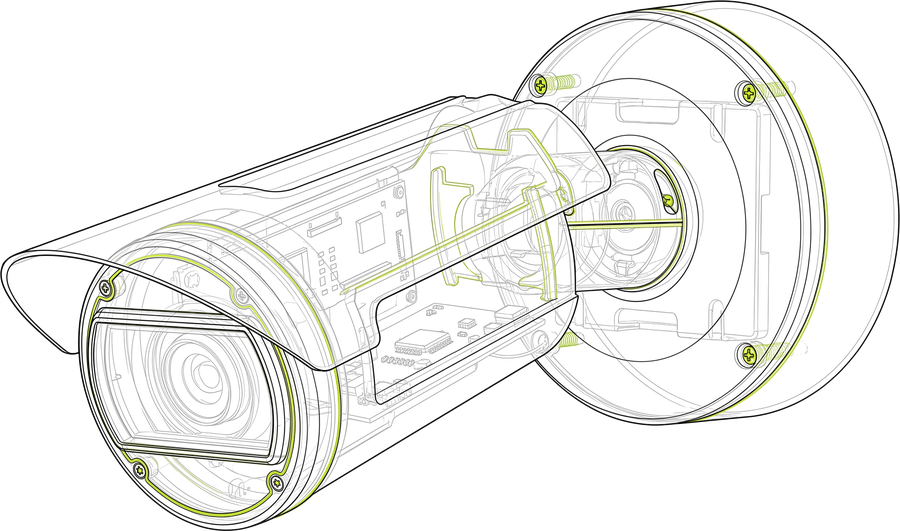 Camera C1Cameras with licence plate recognition for entry and exit, connected via the mobile network.
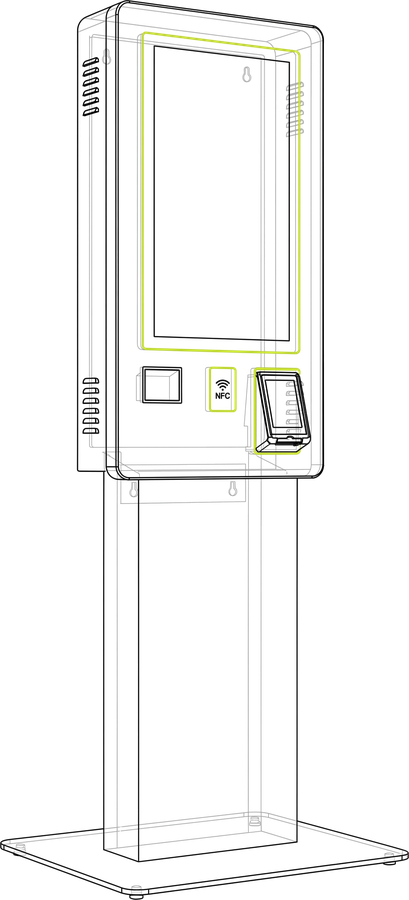 PARQ Automat A1/A2Pay by entering the licence plate, with card, contactless or Apple/Google Pay, and with the PARQ Automat A2 also with cash.
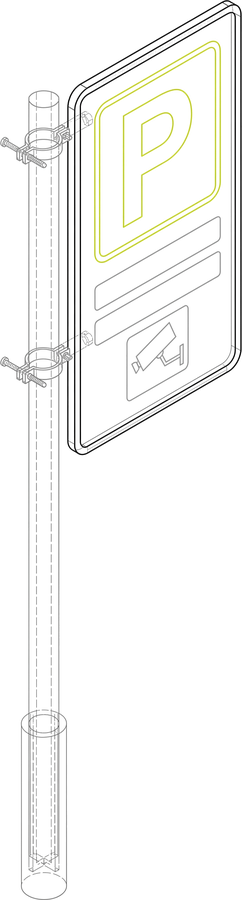 PARQ Sign N1Signs for terms of use and information in front of the entrance.
More on the technology.
Questions about Free Flow Parking.
Cameras read the licence plate when entering and exiting and set a timestamp for each. The system calculates the parking duration from the difference; there is no ticket. Payment is made via a parking app, by QR code, online afterwards or, if required, at the pay station by entering the licence plate. A free period at the start is possible.
Via connected parking apps, by QR code on the sign or online afterwards in the browser. If a pay station is in place on request, parkers enter their licence plate there and pay by card, contactless, Apple/Google Pay or cash. You decide which payment methods are offered on your site.
In general, one per entry or exit. A shared entry and exit usually needs one camera, a separate entry and exit accordingly two. The number of parking spaces does not matter: a large site with one entrance needs no more cameras than a small one.
Yes. The terms of use for your area and the notice about licence plate capture hang visibly in front of the entrance, together with the tariff and the payment options. The matching signs are part of the accessories and are supplied with the rest of the hardware, with a post or bracket if required.
Yes, even in a multi-storey car park and an underground car park. The cameras sit at the entrance and exit; the levels in between need no technology. Whether an existing barrier stays open, continues to be used or is removed is decided per entrance. Both variants can be mixed on one area, provided the zone behind the barrier has its own entrance.